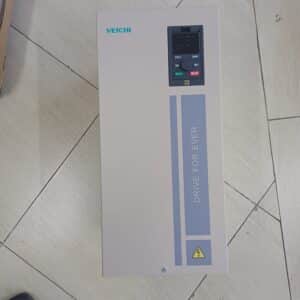
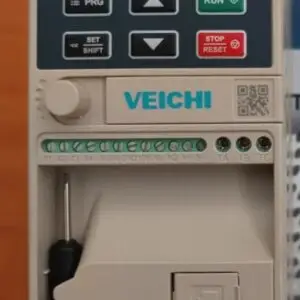
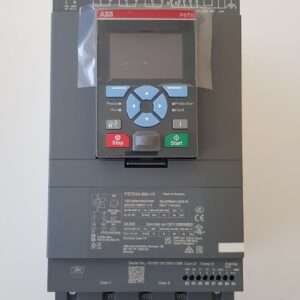
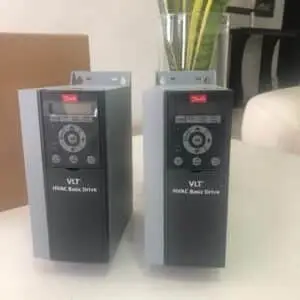
Variable Speed Drive
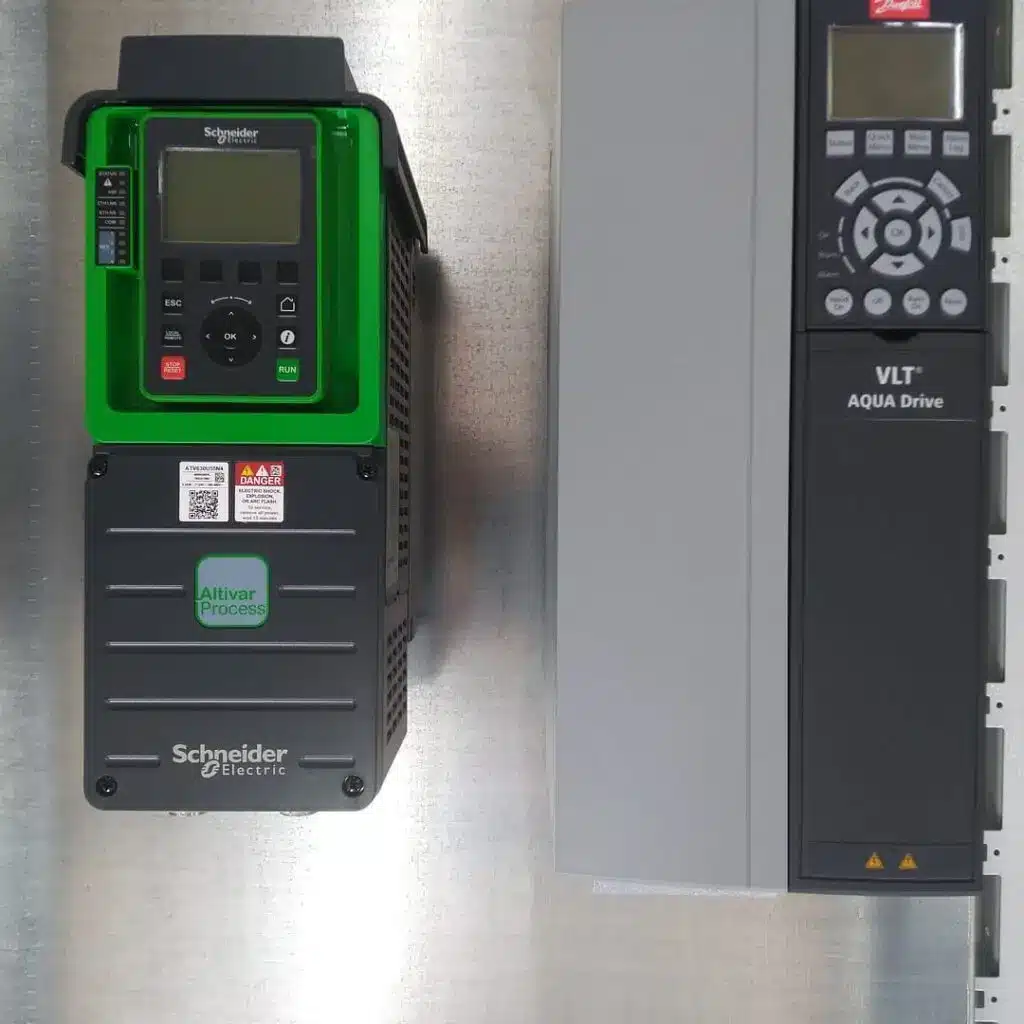
Consider your reasons for choosing a Variable Speed Drive (VSD).
Variable Speed Drive controls starting current, adjusts operating speed and torque, controls stopping and reverse operation. VSDs cut energy consumption with centrifugal fan and pump loads. The energy savings could pay for the cost of the VSD in less than two years.
Starting AC motor across the line requires starting current of upto eight times full load current. This could place a drain on the power distribution system and result in voltage dip. Variable Speed Drive eliminate the voltage sag associated with motor starting and cut motor starting current to reduce utility demand charges.
Controlling starting current extends motor life because across-the-line inrush current shortens life expectancy of AC motors. Shortened life cycles are particularly prominent in applications that require frequent starting and stopping. VFDs reduce starting current, which extends motor life and minimizes the necessity of motor rewinds. The ability to vary operating speed allows optimization of controlled processes.
Variable Speed Drives allow remote speed adjustment using a potentiometer, keypad, programmable logic controller (PLC), or a process loop controller. VSDs also limit applied torque to protect machinery and the final product from damage.
Controlled stopping minimizes product breakage or loss, as well as equipment wear and tear. Because the output phases can be switched electronically, Variable Speed Drive eliminate the need for reversing starter.
Select the proper size for the load
When specifying Variable Speed Drive size and power ratings, consider the operating profile of the load it will drive. Will the loading be constant or variable? Will there be frequent starts and stops, or will operation be continuous?
Consider both torque and peak current. Obtain the highest peak current under the worst operating conditions. Check the motor FLA, which is located on the motor’s nameplate. Note that if a motor has been rewound, its FLA may be higher than what’s indicated on the nameplate.
Don’t size the VSD according to horsepower ratings. Instead, size the VSD to the motor at its maximum current requirements at peak torque demand. The VSD must satisfy the maximum demands placed on the motor.
Consider the possibility that VSD oversizing may be necessary. Some applications experience temporary overload conditions because of impact loading or starting requirements. Motor performance is based on the amount of current the VSD can produce. For example, a fully-loaded conveyor may require extra breakaway torque, and consequently increased power from the VSD.
Many VSDs are designed to operate at 150% overload for 60 seconds. An application that requires an overload greater than 150%, or for longer than 60 seconds, requires an oversized VSD.
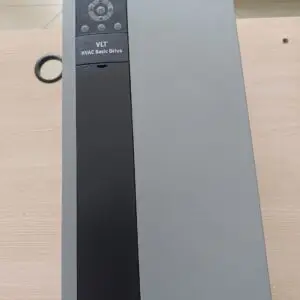
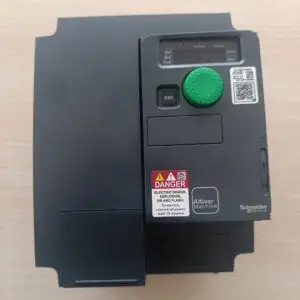
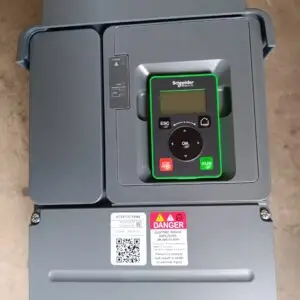
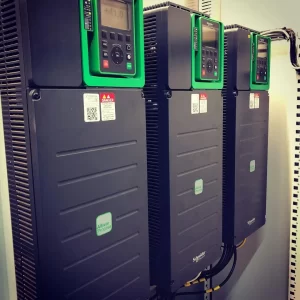
Seamless Process Automtation Limited supplies variable speed drives from leading suppliers including
Looking for a variable speed drive? Talk to us on +254 722 880452 +254 701 655338 or email sales@seamless-automation.com
We are located in Industrial Area, Nairobi Kenya.
-
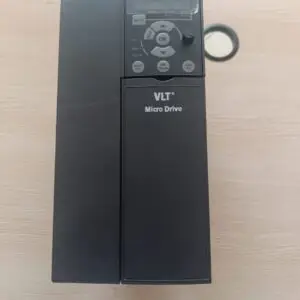
Danfoss VLT Micro Drive FC51
Select options This product has multiple variants. The options may be chosen on the product page Danfoss